Showing posts with label Annuals. Show all posts

Saturday, December 30, 2017

Garden Records and a Free Printable for You!

Every since we moved to this location, I have kept a hap-hazard garden diary.   It's in a spiral notebook and contains vegetable varieties, ornamentals planted, rainfall, bloom dates, etc.   

's
There’s a lot of info in there but I’m not sure how much constructive use it has.   This fall I read The Naturalist’s Notebook by Nathaniel Wheelwright and Bernd Heinrich.    It contains lots of information on how develop your inner-scientist.   

And it is beautifully illustrationed by one of the authors, Bernd Heinrich. 


The book includes a five year calendar to record observations - a format that could be handy in recording garden info.    In this time of unusual weather occurances and climate change, a multi-year record may help us see if our climate is really changing - and if it is, how quickly.    I expect that I will include info specific to our veggie/herb growing along with weather items like rainfall, frost, high temps, etc.    And I expect that I'll include some observations of birds and butterfly activity in our yard.   That's the initial plan anyhow.   We'll see what 2022 has me recording.     
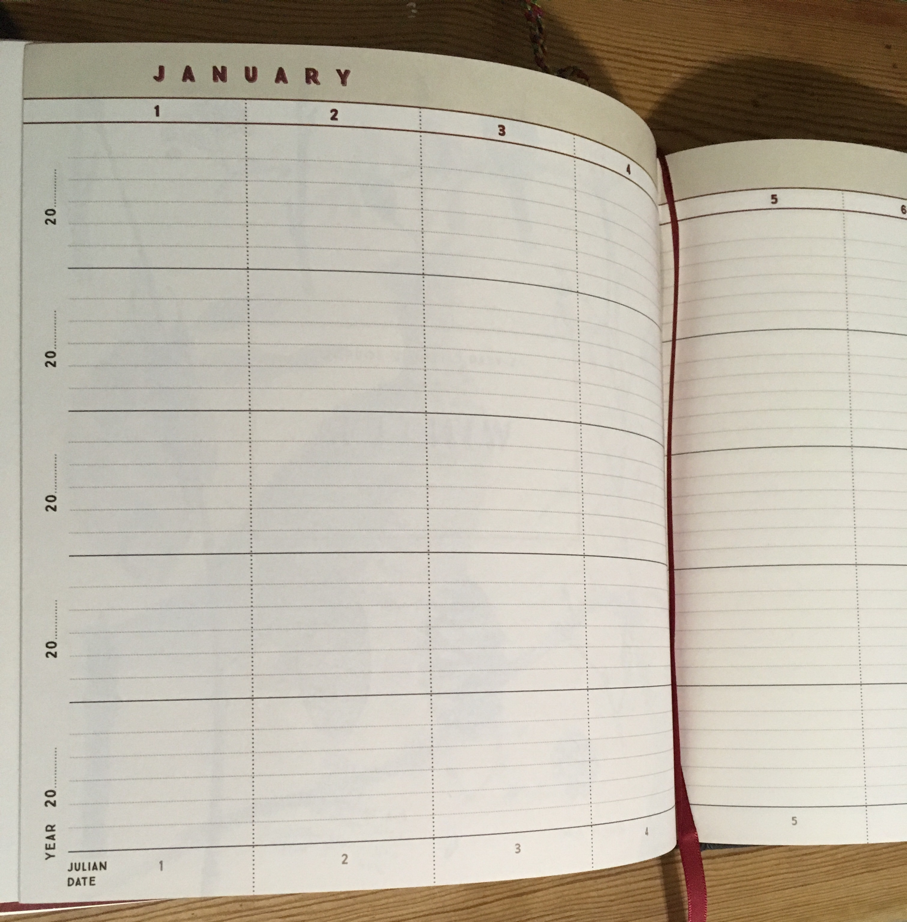

I'm so excited about this format that I've put together a free printable 5 Year Garden Calendar for you to use!    It was formatted to be printed front-and-back.   P
rint it on heavier copy paper so that the type doesn't show through.  I took mine to a printer to be spiral bound - but you can just punch holes and put it into a notebook.   I hope you give this a try - it should help make us better gardeners, better naturalists, and better citizen scientists! 

Tuesday, February 28, 2017

March in the Deep South Texas Garden

Huisache, citrus, and yuccas are all blooming in the Lower Rio Grande Valley so it's high gardening season around here!   Here's my guide for March gardens tasks in deep south Texas:Rose growers prune around Valentines Day:  If you grow modern hybrid roses, cut them back to 18-24”.   Antique or “found” roses are simply pruned to fit the space; try not to remove more than 1/3 of any cane (or branch).   Do not prune spring-blooming climbing roses until after they bloom.   If course, remove any dead canes.  f
  • If adding roses to your landscape is in this years plan, this is the last best month to do that!    Any existing roses should have been pruned in February.     The main exception is spring-blooming, climbing roses.   Wait to prune them until after they bloom. 
  • If you haven't cut back your woody shrubs that have been looking leggy, do it in the next week or two.   Some, such as Firebush (Hamelin patens), Thyraxis, Shrimp Plant, Porter Weed, Turk's Cap , Carissa I cut almost to the ground.   Others, such as lantana, LIttle John bottlebrush, and Vitex,  I try trim back 1/3 of the over-tall branches.   This encourages branching making for a fuller, lusher plant. I shred most of the shrubs that I trim with my beloved electric chipper/shredder.    It makes a wonderful fresh mulch.    The one change since this photo is that everyone using it wears safety glasses!   But as you can see, it is easy enough for a supervised child to feed.   
     
  • Trim back or divide ornamental grasses.  
  • Cut poinsettias down to 12 inches.   After this, encourage branching by pinching out new buds after each three leaves.   
  • Continue to collect and shred leaves for ground cover and to compost.   My electric shredder is below.  It is a string shredder and works well for the cost.   But, the next time I will buy one with some metal blades.   I do love the ease of an electric appliance.  Right now, I either shred and chip where I'm going to use the leaves or mulch OR I do it over a sheet and carry it to its end home. 
  • This is a great time to apply a layer of compost and / or mulch to all your planting beds. 
  • March is a wonderful month to replant large pots with either a mass of one item or a mixture of different items.    Be sure to refresh the potting soil when your replant.   
PLANT: 
  • Trees:   The best time to plant shade trees in the LRGV has passed.  The stress of high winds and high temperatures could  negatively effect any tree planted now.  If it is possible, it is best to wait until next October or November to add trees to your landscape.  
  • Palm Trees:  A palm tree is a monocot or grass that thrives with warm (okay, HOT) temperatures.   Now is beginning the best months to plant palm trees
  • Shrubs:  Plant all shrubs.  
  • Vegetables:  green beans, radishes, peppers,  summer squash, tomato, zucchini.    
  • Herbs:  basil, catnip, dill, fennel, lavendar, mint (in a pot to contain the roots), mustard, oregano, parsley, rosemary, thyme.  
  • Flowers from seed:  ageratum, alyssum, calendula, dianthus, geraniums, kalanchoe, larkspur, snapdragons, stocks, sunflowers, vinca (periwinkle), zinnia. 
  • Flowers from transplants: dianthus, ice plant, geraniums, kalanchoes, marigold, petunias, ruellia (Mexican petunia), salvia, sunflowers, zinnia
  • Flowers from cuttings:  geranium, ice plant, kalanchoe, ruellia
  • Rose bushes
  • Vegetable Planting Date Sources:  Texas Extension Service and the Old Farmers Almanac .

FERTILIZE:

  • Roses.   Include a systemic insecticide if you grow grafted roses.   Found or Antique roses are supposed to take care of themselves. 
  • Acid fertilizer for your acid loving plants like gardenias. 
  • Add some inches of high-quality compost to your vegetable beds before you plant.  
  • After trimming, I like to apply a few inches of compost around shrubs. 
  • Fertilize daylilies for bigger blooms.  

Thursday, February 2, 2017

February in the Garden

Although Puxatawney Phil saw his shadow this morning and we will have six more weeks of winter, I think we can safely prepare for Spring.  There are a number of things that gardeners do before Valentine’s Day.  It’s not that there’s anything magical about February 14th; but it is just before spring growth typically begins and is an easy date to remember.   Here's my guide for gardens tasks in deep south Texas:

  • Rose growers prune around Valentines Day:  If you grow modern hybrid roses, cut them back to 18-24”.   Antique or “found” roses are simply pruned to fit the space; try not to remove more than 1/3 of any cane (or branch).   Do not prune spring-blooming climbing roses until after they bloom.   If course, remove any dead canes.   
  • I also prune my peach and fig trees this month -  hopefully before they bloom and begin to set fruit.  The peaches are blooming right now in Harlingen.    Remove branches when they cross each other or when one is directly below another.  Keeping your fruit tree open will lessen the chance of disease.   Again, remove any dead wood. 
  • At the end of the month, you can begin cutting back your woody shrubs.   Some (like lantana, mistflower, and Little John bottlebru) are budding and even blooming now, so I am very tempted to trim a little early this year.  

  • Don't put away your freeze protection material just yet.  Mine are just a bunch of old sheets and light blankets.   Most of my plants are hardy to the mid-20s and if not hardy, will just suffer damage that will grow back when its warmer.   We have received some arctic blasts in February before.    According to Plantmaps, our last frost date is said to be between February 11 and February 20.    You can check your Texas frost map here. 
  • Continue to collect and shred leaves for ground cover and to compost. 
  • This is a great time to apply a layer of mulch to all your planting beds. 
  • But tree-trunk-painting is NOT on my list of things to do this month.  Or any month!
PLANT: 
  • Trees and Shrubs:   All trees, including fruit, with the exception of citrus.   This is also a good time to plant non-tropical shrubs.  
  • Vegetables:  broccoli, carrots, cucumber, melons (cataulope and honey dew), peppers (sweet), radish, squash, tomatoes, watermelons.    Cucumbers and melons will cross pollinate so do not plant them near each other. 
  • Herbs:  basil, catnip, dill, fennel, garlic, mint (in a pot to contain the roots), parsley, rosemary, rue, thyme.   A frost will harm your basil so it is best in a pot which can be brought in during inclement weather.  
  • Flowers from Seed or Bulbs:  alyssum, amaryllis bulbs, larkspur, poppy, stock. 
  • Flowers from Transplants: dianthus, ice plant, geraniums, impatience, kalanchoes, petunias, ruellia (Mexican petunia), and salvia
  • Rose bushes
Vegetable Planting Date Sources:  Texas Extension Service and the Old Farmers Almanac .

FERTILIZE:

  • Roses.   Include a systemic insecticide if you grow grafted roses.   Found or Antique roses are supposed to take care of themselves. 
  • Citrus:  There are good organic and traditional citrus fertilizers.  Apply in January or February for a better bloom or in May or June as a post-bloom for better fruit set.  
  • Acid fertilizer for your acid loving plants like gardenias. 
  • Add some inches of high-quality compost to your vegetable beds before you plant.  

Friday, January 6, 2017

January in the Garden

January a wonderful month in deep south Texas to spend time in your garden!  But when we get 80 degree days like earlier this week, we're tempted to jump the gun on some garden tasks.  Here's a guide for January Garden Tasks in our area.  


  • Gather and shred your fallen leaves.  They can easily be shredded with a mower or an inexpensive leaf shredder.   I have an electric leaf shredder, like the one pictured, that is indispensable this time of year.   The shredded leaves can then either be composted or used as mulch, where they will help suppress weed seed from sprouting and cool the soil during the summer. I have heard people say not to use live oak leaves because they contain too much tannin and tannin keeps the leaf from breaking down.   If you shred your leaves, they will decompose just fine.   Much to my husbands dismay, I am a proud leaf rustler.  I try to keep the back of my car empty so that I can pick up any bagged leaves that have been left at the curb.   You just can't have too many shredded leaves.
  • Water only as needed.   Much of the landscape will be dormant and will not be using much water.   But dry cold fronts, high winds, and low humidity can dry your plants quickly so check them regularly.   Water an established lawn only every 10 days or two weeks.    
  • Be prepared to protect your tender vegetation from any freezing temperatures that we may get. Go here to read more about this. 

PLANT: 
  • Trees and Shrubs:   All trees, including fruit, with the exception of citrus.   This is also a good time to plant non-tropical shrubs.  
  • Vegetables:  broccoli, cabbage, carrots, cauliflower, Swiss chard, collards, kale, leaf lettuce, leeks, onion (plants, not seeds), parsley, potato, radish, spinach, and turnips.  
  • Herbs:  basil, dill, fennel, mint (in a pot to contain the roots), rosemary, rue, thyme.   A frost will harm  your basil so it is best in a pot which can be brought in during inclement weather.  
  • Flowers from Seed or Bulbs:  alyssum, amaryllis bulbs, calendulas, calla lillies, petunia, larkspur, poppy, stock, calendulas.     Some say you can still plant bluebonnets and nasturtium seed but, in my experience, those are best planted in October.
  • Flowers from Transplants:   pansies, petunias, alyssum, dianthus, snapdragons, and violets
  • Rose bushes
Vegetable Planting Date Sources:  Texas Extension Service and the Old Farmers Almanac . 

FERTILIZE:   Citrus trees that are at least 3 years old, your annuals and vegetables.  Do not fertilize tropicals right now; let them rest. 

PRUNE: 
  • Landscape trees.  Most established landscape trees will require a certified arborist to properly and safely prune. 
  • Peaches, figs, and other fruit trees.  I prune to remove dead wood, to shape the tree. and to keep it a size where I can reach the fruit.   We are going to plant a mango and an avocado tree and I am going to try to prune them shorter so their fruit is accessible.   I never wanted to grow them before because they get so tall, I felt like I'd be growing the fruit for the possoms, racoons, and other vermin.   
  • Do not prune your shrubs yet.   Some of our worst cold snaps (and ice storms) have arrived in February.     

Gardening adds years to your life and life to your years.         


Wednesday, June 25, 2014

Bringing in Blossoms

One of my favorite things about gardening is making arrangements from our flowers and herbs.   For the first time in a LOOONG time, we have a "cutting" bed in our "Garden of Eatin'".    It's main purpose is to grow flowers to bring inside.   (Second main purpose is to attract pollinators - that's why we planted these flowering annuals near the edible plants).   Here's what our cutting bed looks like right now - pretty much just zinnias and marigolds.   I think it's gotten too hot for the foxglove we planted after Easter. 
There are lots of perennials that are great for arrangements, but I don't put them here because we rotate the vegetable crops and that would impede that a bit.  
 
I have found that when it's hot outside, it is best to pick flowers and herbs in the morning.   They've had overnight to rest and recuperate from the stress of the summer heat. 


This is my harvest bucket.   Fill it with water and as soon as a flower is cut, it gets dropped into the bucket to rest and take up water.   I try to leave them resting for at least 2 hours and sometimes much longer.  

If I buy flowers at HEB or Sam's, this is basically my same procedure.   Trim the ends and let them sit in a bucket of water for a nice drink.  

Today, we just made small arrangements in glass jars.   Dotted along the dining room table, they will add nice touch for a Tex-Mex Dinner

Wednesday, October 21, 2009

Nasturtiums

I struggled for years trying to grow nasturtiums, Tropaeolum spp. when a friend, Jean Anne shared her secret.  They must be planted before Halloween.  Now I can't think of fall without thinking of getting a little nasturtium seed into the ground. 


I do soak my seed for an hour or more before I put them in the ground.  I only plant them a 1/2 inch deep.  If I'm feeling lazy (and the soil in my bed is nice and loose), the seed gets sprinkled on top and then raked into the soil.   

A few things I love about nasturtiums are they are easily grown from seed (if you know when to plant them), they grow well in heavy soils, and they reseed themselves.    I'll be you have a spot for some vibrant spring color.

Sunday, May 10, 2009

Nitrogen fixing plants

I have always heard the phrase "nitrogen fixing plant" and could tell you that legumes are indeed "nitrogen fixing plants" - but I 've never given a second thought about how a plant actually sets nitrogen. Hubbie is growing soybeans (a legume) this spring and pulled this plant up to check it for nitrogen producing nodules. Check it out, close up - This little guy has three nodules inside the black circle.
I must admit I didn't think about it again until I read Zanthan Gardens' post on saving bluebonnet seeds. She tells us when we're ready to clear out a patch of spent legumes, do not pull the plants out by the roots; cut them at ground level. This keeps those nodules in the soil where they'll help enrich the soil. Nasturtiums are also legumes - Sure wish I'd read Zanthan Gardens post earlier - this morning I pulled out all the dying and drying nasturtium plants. Live and learn.

Monday, April 13, 2009

Gotta love annuals

This little clump of three volunteer nasturtiums have elicited more interest and questions than anything in my garden. Until recently, I had never had any success with this little annual. I've always planted them from seed but would get a weak stand - and often the few seedlings I had would die before they had a chance to really grow and bloom. Although nasturtiums bloom in the spring, you need to plant them in the Fall - and now I always follow my friend Jean Anne's rule: Plant your seed before Halloween or forget about it until next year. The seed is extra hard, so a good overnight soaking is my second nasturtium rule.

I do wish I had gotten around to fertilizing things this spring - the pretty round leaves would look much nicer if they were greener . . . without intending to I seem to have an EarthKind garden. . . .


Monday, June 9, 2008

Bringing the Outdoors In


The thermastat is hitting 100 on a regular basis and it's not fit for man or beast outside during daylight hours - and sometimes throughout the night also. I woke up one morning last week and our overnight low had been 82 degrees. Needless to say, this is the time of year when I lack the desire to venture out and work in the garden. What I do love when it's blistering hot is to bring a little of the outdoors intside - and this is when I'm glad I've given up a little space in the vegetable garden for cut flowers. My all time favorites are zinnias. They are easy to grow - they re-seed - and they are forgiving when I ignore them.

This year I planted Burpee's heirloom Exquisite and some year-old bulk seed. They are both growing well. The only zinnia I have failed at growing were Giant Purity. I had planted them for a party and, of course, I got poor germination followed by disease.

A few native sunflowers have volunteered near the woodpile and no-one's gotten around to chopping them out. They were a bonus the other morning when I was wandering the yard looking for something to cut. The best time to cut flowers and foliage to bring inside is morning. The plants are under less stress then.

Some shrubs can also have great flowers of foliage to include in an arrangement. I love to cut Ixora for both mixed arrangements and as a one item arrangement. The branch is a bit hard so I make some cuts up the branch so it will take up more water.


Just look at how delicate Ixora's flower is - and the color is like a fresh melon.


This is my first year to grow Cosmos. The plants are already shoulder-high - but we'll see how they take the heat! So far, so good.


I always like to include some greenery in my mixed arrangements. A palm frond, like this Lady Palm, Rhapis humilis, makes a nice addition. Coleus is good to cut - and the bonus is that it may well begin rooting before you toss the arrangement into the compost pile. The same goes for Sweet Potato Vine 'Margarite". And I love the lime green of it's leaves. Sometimes I have to search for some that the bugs haven't eaten - something munches on it throughout the summer, but never kills it.


A little bit of variegated dwarf schefflera,
Brassaia, is another good filler.
As an accent, I like to cut a few fronds from the Purple Fountain Grass, Penniselum setaceum 'Rubrum', and one of these days I'm going to use some of the purple grass blades.

I hope you'll give your plants a little haircut and bring the trimmings inside to enjoy!


Monday, March 17, 2008

Garden Bloggers Bloom Day

This Garden Blogger Bloom Day, I am mainly sharing the things that weren't blooming last month!
Bottlebrush, Callistemon rigidus, is beginning its bloom period. The one gallon pots we planted in 2004 are now easily 7 feet tall, giving us a nice, dense privacy hedge. Its clear to see where the name, bottlebrush, comes from!

Anacua, Ehretia anacua, is turning white with blossoms! It won't be long before the bees and butterflies have found this tree. This deciduous native tree is just getting a fresh crop of leaves. Their light green color will darken with age. Anacua gets one of its common names, the "Sandpaper Tree", from the sandpaper-like texture of its leaves. Hibiscus, Rosa sinensis, belongs to the mallow family. Other relatives are cotton, okra, and hollyhocks. There are hundreds of colors and color combinations along with a vast variety in plant and bloom size. In the early 80s when we received two years of hard freezes in a row, I quit growing this tropical. It is sensitive to a frost, but it takes a pretty hard freeze to kill an established hibiscus in the ground. A light freeze just give it a bit of a pruning. It's easy to propogate from stem cutting. For lmore information, you may want to check out the American Hibiscus Society's website.


Our little Texas Mountain Laurel, Sophora secundiflora, has finally begun to bloom. Everything I've read says that it will grow in part shade (which is where we planted ours). I wonder if this location is affecting its blooming. It doesn't have very long bloom stems, but the aroma is still amazing!

I don't know why I love the combination of blooms and buds - possibley it's the feeling of hope and anticipation that a flower bud inspires in me! This Thyrallis, Galphimia glauca, has that wonderful combination of blooms and buds that I love so much.

The Nasturtiums, Tropaeolum majus, have grown a great deal the past month. Aren't they pretty?